
Turmeric is one of the most commonly adulterated spices. Artificial colors, starch, chalk powder, and synthetic dyes may be added to increase profits, affecting both quality and safety. Knowing how to identify pure turmeric helps you make healthier choices for your family.
🌿 1. Check the Color
Pure Turmeric
- Natural golden-yellow to deep mustard yellow
- Slightly earthy and matte appearance
- Color is uniform but not unnaturally bright
Adulterated Turmeric
- Very bright lemon-yellow or fluorescent yellow
- Artificial shine
- Looks unnaturally vibrant
Tip: If the color looks too bright to be natural, be cautious.

👃 2. Smell the Aroma

Pure turmeric has:
- Warm earthy fragrance
- Slight peppery notes
- Fresh root-like aroma
Fake turmeric often has:
- Very weak smell
- Chemical-like odor
- No earthy freshness
✋ 3. Feel the Texture
Pure Turmeric
- Fine and smooth powder
- Slightly soft between fingers
Adulterated Turmeric
- Gritty or sandy
- Chalky feel
- May contain coarse particles
💧 4. Water Test
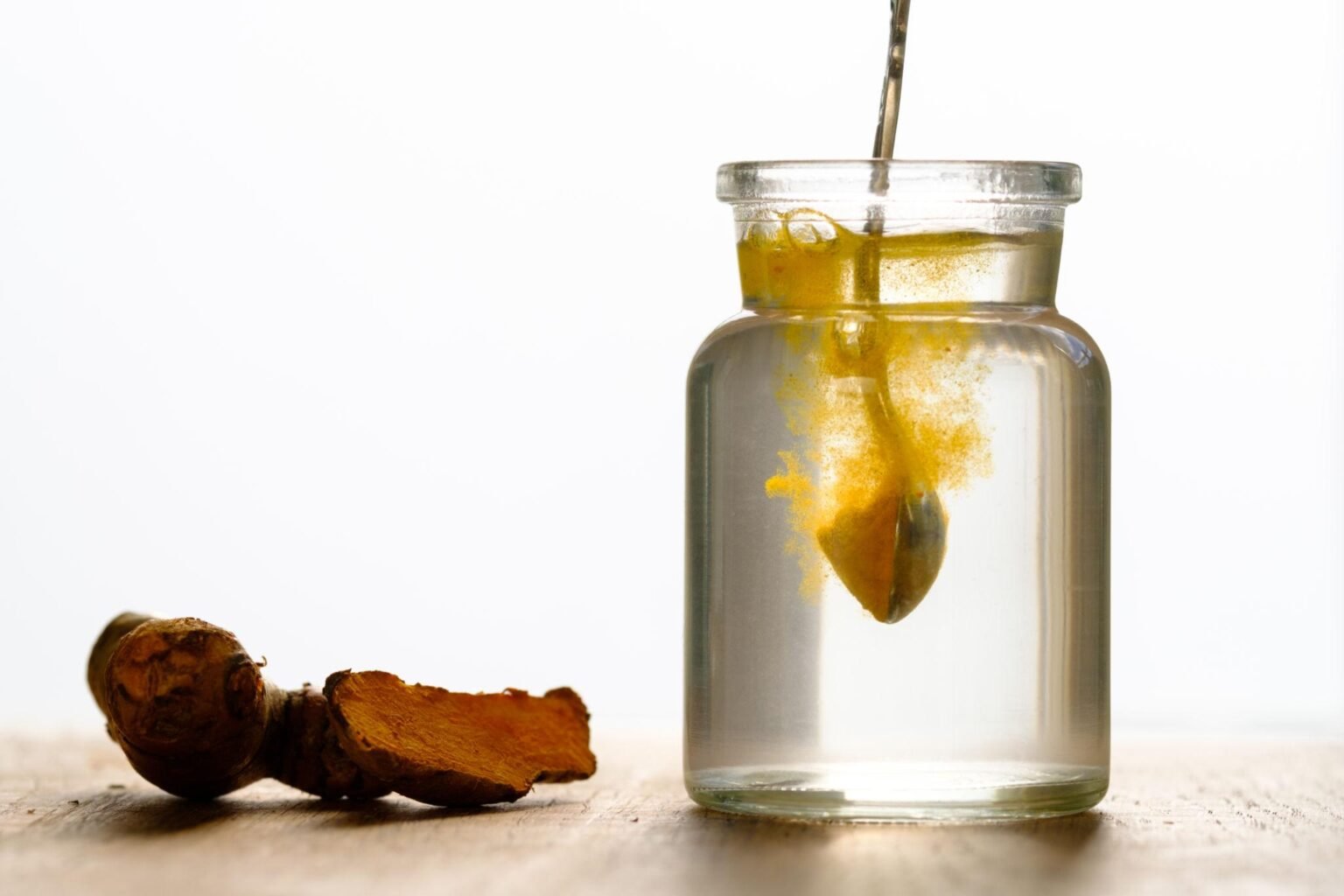
Fill a clear glass with water and gently add one teaspoon of turmeric powder without stirring.

Pure Turmeric
✅ Settles slowly at the bottom.
✅ Water remains mostly clear for several minutes.
Adulterated Turmeric
❌ Bright yellow color quickly spreads through the water.
❌ Artificial dye may dissolve immediately.
Note: This is only a basic screening test. It cannot detect every type of adulteration.
🧂 5. Rub Test
Rub a pinch of turmeric between your fingers.
Pure Turmeric
- Leaves a natural yellow stain
- Feels smooth
- Aroma increases with rubbing
Fake Turmeric
- May leave an unusually bright stain
- Can feel chalky or gritty
🌱 6. Look for Natural Ingredients
Choose turmeric that lists:
- 100% Turmeric Powder
Avoid products containing:
- Artificial colors
- Fillers
- Added starch
- Preservatives (unless specifically required for the product)
📦 7. Buy from Trusted Brands
A good-quality turmeric powder should offer:
- Single-ingredient formulation
- Hygienic processing
- Proper packaging
- Batch details and FSSAI information
- Fresh aroma and consistent quality
⚠️ Common Adulterants Found in Turmeric
| Adulterant | Why It’s Added | Risk |
|---|---|---|
| Artificial yellow dyes | Brighter color | May be unsafe if unauthorized |
| Starch | Increase weight | Reduces purity |
| Chalk powder | Lower production cost | Lowers quality |
| Sand or dust | Increase bulk | Poor quality and hygiene |
✅ Signs of Pure Turmeric
- Rich golden-yellow color (not fluorescent)
- Warm earthy aroma
- Fine, smooth texture
- Settles gradually in water
- Contains only 100% turmeric powder
- Purchased from a reliable brand
Final Tip
Simple home tests can help identify obvious issues, but they are not definitive proof of purity. The best assurance comes from buying turmeric from trusted manufacturers that follow quality control and food safety standards.
Image concept for a featured blog banner (no text):
- Split composition.
- Left side: a wooden bowl of premium golden turmeric powder with fresh turmeric roots, soft warm lighting.
- Right side: a glass of water with turmeric settling naturally at the bottom beside a second bowl of unnaturally bright turmeric to imply comparison.
- Natural kitchen background with spices such as cumin, black pepper, and cinnamon subtly blurred.
- Clean, premium, realistic food photography style in Gudora’s warm, earthy brand aesthetic.
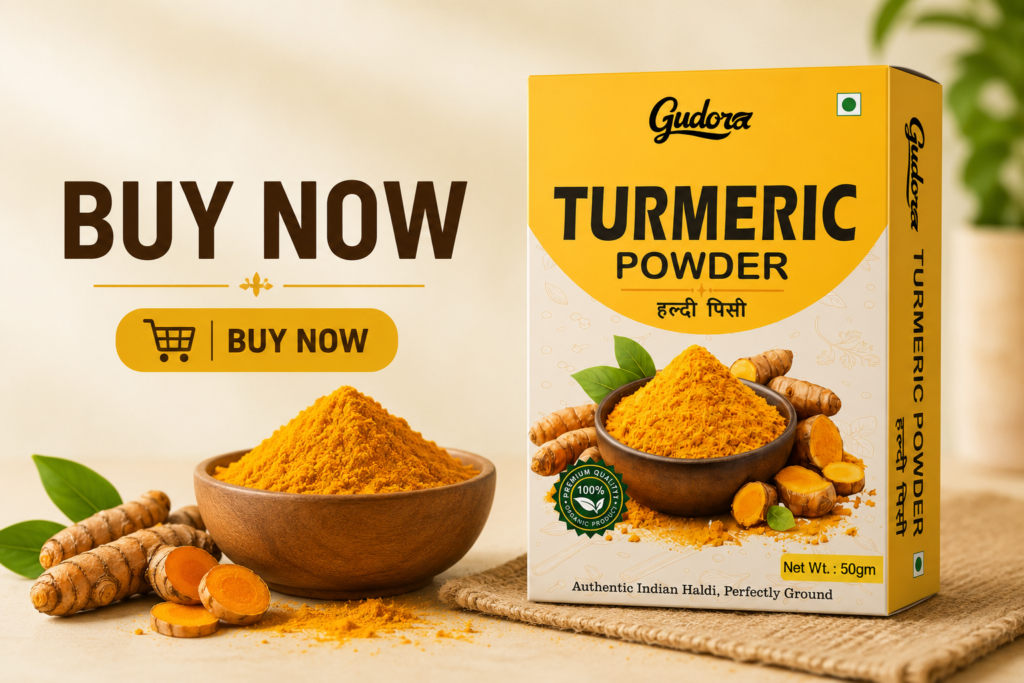
Why Families Choose Gudora
✔ Premium quality turmeric roots
✔ Rich natural aroma and flavor
✔ Hygienically processed and packed
✔ Fine texture for easy mixing and cooking
✔ Suitable for everyday home cooking
✔ Quality you can trust in every spoon
Gudora Promise
Pure Ingredients. Honest Quality. Authentic Taste.
Every pinch of Gudora Turmeric Powder is crafted to bring natural color, rich flavor, and dependable quality to your kitchen—so every meal tastes just the way it should.