

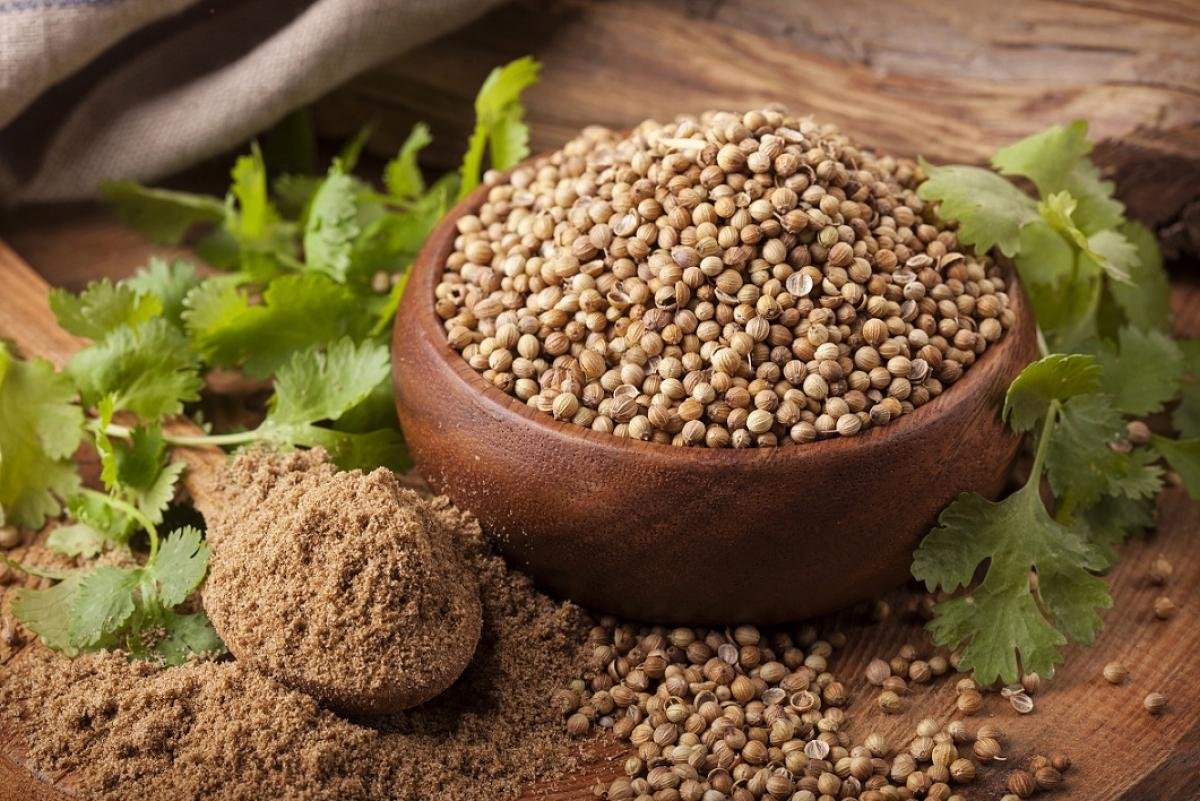
Coriander Seeds, popularly known as Dhania, are among the oldest spices known to mankind. Their warm, citrusy aroma and mild earthy flavour have made them an essential ingredient in Indian kitchens for thousands of years. Whether used whole in tempering, roasted for spice blends, or ground into coriander powder, these tiny seeds add remarkable depth and balance to countless dishes.
Beyond their culinary value, coriander seeds have a fascinating history, an impressive nutritional profile, and an important place in Ayurveda. In this guide, we’ll explore everything about coriander seeds—from their ancient origins and cultivation to their nutritional benefits, Ayurvedic significance, common myths, and everyday uses.
Why Are Coriander Seeds So Popular?
Unlike many spices that dominate a dish, coriander seeds provide a subtle, refreshing flavour that enhances other ingredients. Their pleasant citrus notes and mild sweetness make them one of the most versatile spices in the world.
Coriander is widely used in Indian, Middle Eastern, Mediterranean, Latin American, and Asian cuisines. It forms the backbone of numerous spice blends, including Garam Masala, Curry Powder, Sambar Masala, and Pickling Spices.
Its ability to complement vegetables, dals, curries, soups, and marinades has made coriander a timeless kitchen essential.
The History of Coriander
Coriander is believed to have been cultivated for over 5,000 years.
Archaeological evidence shows coriander seeds were found in the tomb of Tutankhamun in ancient Egypt. The spice was also mentioned in ancient Sanskrit texts, the Bible, and Greek and Roman writings.
As trade expanded, coriander travelled along ancient spice routes from the Mediterranean to Asia, eventually becoming one of India’s most widely cultivated spices.
Today, coriander remains one of the most commonly used spices in households around the world.
Origin of Coriander Seeds
The botanical name of coriander is Coriandrum sativum.
It is believed to have originated in the Mediterranean region and parts of Western Asia, eventually spreading across Europe, North Africa, and the Indian subcontinent.
Today, India is the world’s largest producer and exporter of coriander seeds.
Major coriander-producing states include:
- Rajasthan
- Madhya Pradesh
- Gujarat
- Andhra Pradesh
- Karnataka
These regions provide ideal growing conditions, producing coriander seeds known for their aroma and high essential oil content.
How Coriander is Grown
Coriander is an annual herb belonging to the Apiaceae family.
The crop grows best in cool, dry weather with well-drained fertile soil.
After flowering, the small green fruits gradually mature into round beige seeds. Once fully dry, the plants are harvested, and the seeds are cleaned, graded, and stored.
Premium-quality coriander seeds are recognised by their:
- Uniform golden-brown colour
- Fresh citrus aroma
- Bold flavour
- High essential oil content
What Makes Coriander Seeds Special?
Coriander seeds contain aromatic essential oils, especially Linalool, which gives them their distinctive citrusy fragrance.
They are also naturally rich in antioxidants and plant compounds that contribute to their flavour and nutritional value.
Unlike coriander leaves (cilantro), coriander seeds have a warm, slightly sweet flavour that becomes even richer when lightly roasted.
Nutritional Value of Coriander Seeds
Although coriander is generally used in small quantities, it contains valuable nutrients.
Nutritional Values (Per 100 g)
| Nutrient | Amount |
|---|---|
| Energy | 298 kcal |
| Protein | 12.4 g |
| Carbohydrates | 55 g |
| Dietary Fibre | 41.9 g |
| Fat | 17.8 g |
| Calcium | 709 mg |
| Iron | 16.3 mg |
| Magnesium | 330 mg |
| Phosphorus | 409 mg |
| Potassium | 1,267 mg |
| Sodium | 35 mg |
| Zinc | 4.7 mg |
| Vitamin C | 21 mg |
Note: Coriander seeds are usually consumed in small amounts, so nutrient intake per serving is much lower.
Health Benefits of Coriander Seeds
When included as part of a balanced diet, coriander seeds may contribute to overall wellness.
1. Supports Healthy Digestion
Coriander has traditionally been used to support digestive comfort and is commonly included in spice blends and tempering.
2. Rich in Antioxidants
Naturally occurring plant compounds help provide antioxidant activity that protects cells from oxidative stress.
3. Source of Essential Minerals
Coriander contains minerals such as calcium, magnesium, potassium, and iron that contribute to normal body functions.
4. Adds Natural Flavour
Its mild citrus aroma enhances recipes naturally without relying heavily on artificial flavourings.
5. Complements a Balanced Diet
Coriander is a flavourful addition to everyday meals and supports dietary variety.
Like all spices, coriander is a food ingredient—not a medicine—and should not replace professional medical advice.
Coriander Seeds in Ayurveda
In Ayurveda, coriander is known as Dhanyaka.
It has been valued for centuries for its cooling nature and digestive properties.
According to Ayurvedic principles:
- Rasa (Taste): Sweet (Madhura), Bitter (Tikta), Astringent (Kashaya)
- Guna (Qualities): Light (Laghu), Slightly Oily (Snigdha)
- Virya (Potency): Cooling (Shita)
- Vipaka (Post-digestive Effect): Sweet (Madhura)
Traditionally, coriander is believed to:
- Support Agni while providing a cooling effect
- Help balance Pitta and Kapha
- Promote digestive comfort
- Be used in traditional herbal preparations
These traditional uses belong to Ayurveda and are distinct from conclusions drawn through modern scientific research.
Myths vs Facts About Coriander Seeds
Myth: Coriander leaves and coriander seeds taste the same.
Fact: They come from the same plant but have completely different flavours and aromas.
Myth: Coriander is only used in Indian food.
Fact: Coriander is widely used in cuisines across Europe, the Middle East, Latin America, and Asia.
Myth: Roasting destroys coriander.
Fact: Light roasting actually enhances its aroma and flavour, making it ideal for spice blends.
Myth: Ground coriander stays fresh indefinitely.
Fact: Whole coriander seeds retain their flavour much longer than pre-ground coriander.
How to Use Coriander Seeds Every Day
Whole coriander seeds can be used in:
- Dal tadka
- Vegetable curries
- Pickles
- Spice blends
- Rasam
- Sambar
- Marinades
- Soups
- Rice dishes
- Homemade masalas
For maximum flavour, lightly dry roast the seeds before grinding.
Storage Tips
- Store in an airtight container.
- Keep away from direct sunlight and moisture.
- Grind only when needed for the freshest aroma.
- Store in a cool, dry place.
Why Choose Gudora Whole Coriander Seeds?
At Gudora, we carefully source premium-quality whole coriander seeds to deliver authentic aroma, natural freshness, and rich flavour.
Whether you’re preparing traditional Indian recipes or experimenting with global cuisines, Gudora Whole Coriander Seeds help elevate every meal.
👉 Buy Gudora Whole Coriander Seeds: https://www.gudora.in/products/whole-coriander-sabut-dhaniya-100g
Final Thoughts
Coriander seeds are a timeless spice that bridges ancient traditions and modern kitchens. Their refreshing aroma, nutritional value, and versatility make them an essential ingredient in everyday cooking.
From tempering and spice blends to wholesome home-cooked meals, premium-quality coriander seeds bring authentic flavour to every dish.
Gudora – From Soil to Soul.