


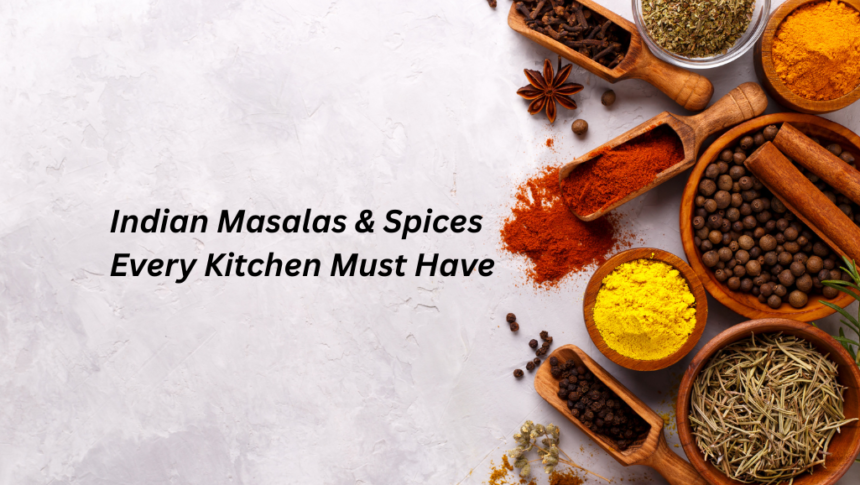
Indian cuisine is famous around the world for its rich aroma, vibrant colors, and unforgettable taste. The secret behind these mouthwatering dishes lies in the perfect use of masalas and spices. From simple dal to royal curries, spices are the heart of Indian cooking. But these kitchen essentials are not just about flavor — many Indian spices are also packed with powerful health benefits.
If you want to build a well-stocked kitchen, here are 10 Indian masalas and spices every home cook should have for delicious food and better health.
1. Turmeric (Haldi)
Turmeric is one of the most important spices in Indian kitchens. Known for its bright yellow color, haldi adds warmth and earthy flavor to curries, vegetables, rice dishes, and lentils.
The active compound in turmeric, curcumin, is famous for its anti-inflammatory and antioxidant properties. It may help improve immunity, support joint health, and aid digestion.
Common Uses:
- Curries and gravies
- Dal and sabzi
- Golden milk
- Rice dishes
2. Cumin Seeds (Jeera)
Jeera is widely used in Indian tempering and spice blends. Its nutty and smoky flavor instantly enhances dishes.
Cumin is also known to support digestion and metabolism. Many people drink jeera water in the morning for better gut health.
Common Uses:
- Tadka for dal
- Vegetable curries
- Raita and chaas
- Spice powders
3. Coriander Powder (Dhaniya Powder)
Coriander powder gives Indian dishes a mild citrusy and slightly sweet flavor. It balances spicy ingredients and adds depth to curries.
It is rich in antioxidants and may help support digestion and blood sugar balance.
Common Uses:
- Curry gravies
- Marinades
- Dry vegetable dishes
- Spice mixes
4. Red Chili Powder (Lal Mirch)
Red chili powder adds heat, color, and boldness to Indian recipes. Different varieties offer different spice levels, from mild Kashmiri chili to extra hot red chili powder.
Chilies contain capsaicin, which may help boost metabolism and improve circulation.
Common Uses:
- Curries and gravies
- Snacks and chaats
- Pickles
- Marinades
5. Garam Masala
Garam masala is one of the most popular Indian spice blends. It usually contains cinnamon, cloves, black pepper, cardamom, cumin, and other aromatic spices.
Just a small amount can completely transform a dish by adding warmth and aroma.
Common Uses:
- Paneer dishes
- Chicken curry
- Biryani
- Dal makhani
6. Mustard Seeds (Rai)
Mustard seeds are commonly used in South Indian and Bengali cooking. When heated in oil, they release a nutty and slightly pungent flavor.
They are believed to support digestion and contain beneficial antioxidants.
Common Uses:
- Pickles
- Sambhar and chutneys
- Tempering for curries
- Vegetable stir-fries
7. Black Pepper (Kali Mirch)
Known as the “King of Spices,” black pepper has been used in Indian cooking and Ayurveda for centuries.
It adds mild heat and sharp flavor while also helping improve nutrient absorption and digestion.
Common Uses:
- Soups and salads
- Masala chai
- Curry dishes
- Spice blends
8. Cardamom (Elaichi)
Cardamom is a fragrant spice used in both sweet and savory dishes. Its refreshing aroma makes it a favorite ingredient in Indian desserts and tea.
Elaichi may help freshen breath and support digestion.
Common Uses:
- Tea and coffee
- Kheer and sweets
- Biryani
- Spice blends
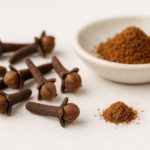
9. Cloves (Laung)
Cloves have a strong, warm, and slightly sweet flavor. They are used in small quantities because of their intense aroma.
They are known for antibacterial properties and are often used in traditional home remedies.
Common Uses:
- Biryani and pulao
- Masala chai
- Curry gravies
- Garam masala
10. Chaat Masala
Chaat masala is a tangy and flavorful spice mix made with black salt, cumin, dry mango powder, and spices. It instantly boosts the taste of snacks and street food.
Its tangy flavor can make simple dishes more exciting and delicious.
Common Uses:
- Fruit salads
- Chaats and snacks
- Lemon drinks
- Sandwiches and fries
Why Indian Spices Are More Than Just Flavor
Indian masalas and spices do much more than make food tasty. Many spices have been used in Ayurveda and traditional medicine for generations. They are rich in antioxidants, anti-inflammatory compounds, and essential nutrients that may support overall wellness.
Using fresh and high-quality spices can improve both the taste and nutritional value of your meals.
Final Thoughts
A kitchen without masalas and spices feels incomplete, especially in Indian cooking. Whether you are preparing simple comfort food or festive dishes, the right spices can completely transform the flavor and aroma of your recipes.
Stocking these 10 essential Indian masalas and spices will help you create delicious meals while also adding natural health benefits to your everyday diet.