

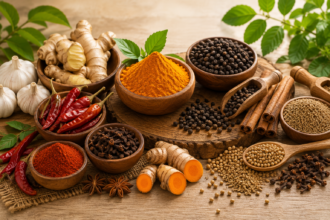
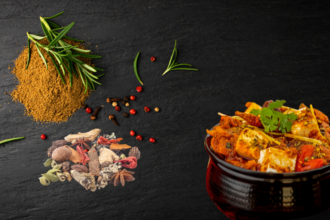
Indian cuisine is famous across the world for its rich aroma, deep flavours, vibrant colours, and unforgettable taste. At the heart of this culinary magic lies one essential element — masalas and spices. From a simple dal to a royal biryani, spices are what transform ordinary ingredients into extraordinary dishes.
India is often called the “Land of Spices”, and for good reason. For centuries, Indian spices have been traded globally because of their medicinal properties, flavour, and cultural importance. Whether you are a home cook, food lover, or someone exploring Indian cuisine for the first time, understanding masalas and spices can completely change the way you cook and eat.
In this complete guide, we will explore everything about Indian masalas and spices — their types, uses, health benefits, storage tips, and how they enhance everyday cooking.
What Are Spices?
Spices are natural ingredients obtained from different parts of plants such as seeds, roots, bark, fruits, or flowers. They are mainly used to add flavour, aroma, and colour to food.
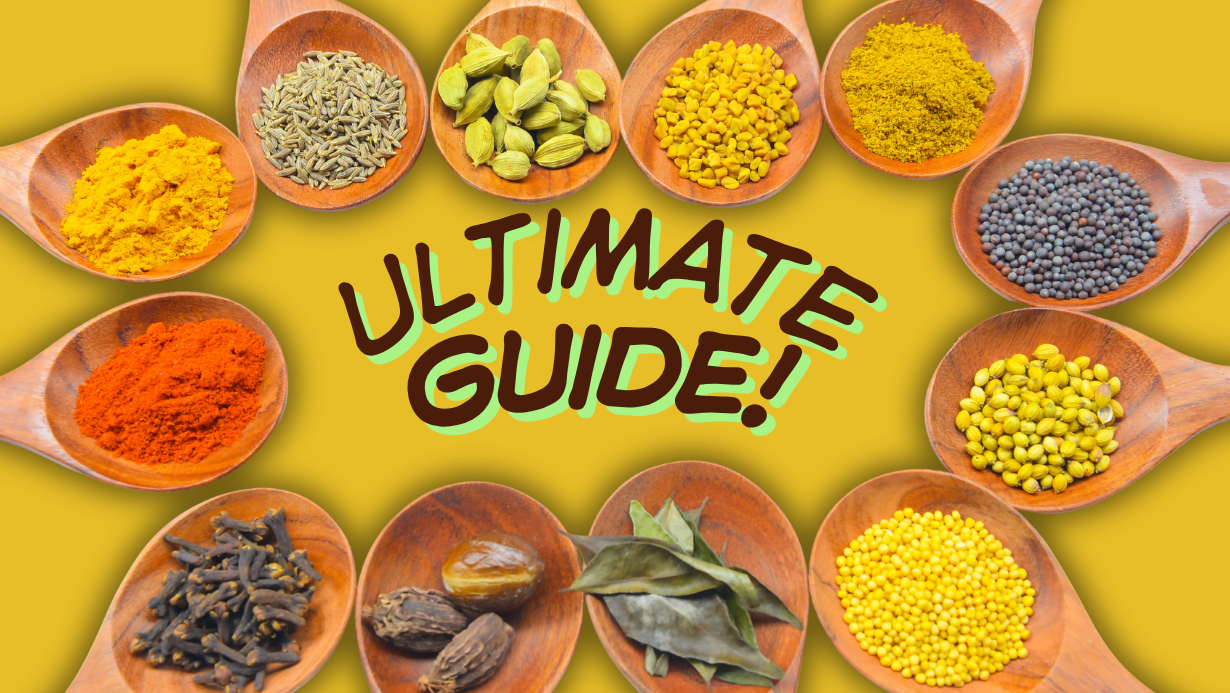
Common Indian spices include:
- Turmeric
- Cumin
- Coriander
- Black Pepper
- Cardamom
- Cinnamon
- Cloves
- Mustard Seeds
- Fenugreek
- Red Chilli
Each spice has a unique taste profile and purpose in cooking.
What Is Masala?
The word “Masala” simply means a blend of spices. Indian masalas are carefully prepared combinations of multiple spices mixed together in specific proportions.
Masalas make cooking easier while adding a balanced and authentic flavour to dishes.
Popular Indian masalas include:
- Garam Masala
- Chaat Masala
- Kitchen King Masala
- Pav Bhaji Masala
- Sambhar Masala
- Biryani Masala
- Tandoori Masala
Every Indian household often has its own secret masala recipe passed down through generations.
Difference Between Masalas and Spices
Many people think masalas and spices are the same, but they are different.
| Spices | Masalas |
|---|---|
| Single ingredient | Blend of multiple spices |
| Example: Turmeric | Example: Garam Masala |
| Used individually | Used as seasoning mixes |
| Natural form | Prepared combination |
In simple words:
- Spice = One ingredient
- Masala = Mix of spices
Most Popular Indian Spices and Their Uses
1. Turmeric (Haldi)
Turmeric is one of the most important spices in Indian cooking. Known for its bright yellow colour, it contains curcumin, a powerful antioxidant.
Uses
- Curries
- Rice dishes
- Milk drinks
- Pickles
Benefits
- Supports immunity
- Anti-inflammatory properties
- Good for skin health
2. Cumin (Jeera)
Cumin seeds have a warm, earthy flavour and are commonly used for tempering.
Uses
- Dal
- Curry bases
- Jeera rice
- Spice blends
Benefits
- Helps digestion
- Rich in iron
- Improves metabolism
3. Coriander (Dhaniya)
Coriander seeds provide a mild citrus flavour and are widely used in Indian cuisine.
Uses
- Curry powders
- Vegetable dishes
- Chutneys
Benefits
- Helps digestion
- Rich in antioxidants
- Supports heart health
4. Black Pepper (Kali Mirch)
Known as the “King of Spices,” black pepper adds heat and depth to dishes.
Uses
- Soups
- Marinades
- Spice blends
Benefits
- Supports immunity
- Enhances nutrient absorption
- Aids digestion
5. Cardamom (Elaichi)
Cardamom has a sweet and aromatic flavour used in both sweet and savoury dishes.
Uses
- Tea
- Desserts
- Biryani
- Kheer
Benefits
- Freshens breath
- Helps digestion
- Rich aroma for beverages
6. Cinnamon (Dalchini)
Cinnamon comes from tree bark and adds sweetness and warmth.
Uses
- Desserts
- Biryani
- Tea
- Curries
Benefits
- May help control blood sugar
- Rich in antioxidants
- Supports heart health
7. Cloves (Laung)
Cloves have a strong aroma and slightly sweet flavour.
Uses
- Rice dishes
- Tea
- Garam masala
- Curry gravies
Benefits
- Antibacterial properties
- Helps with oral health
- Rich in antioxidants
Essential Indian Masalas
Garam Masala
One of the most commonly used spice blends in India.
Common Ingredients
- Cinnamon
- Cloves
- Cardamom
- Black pepper
- Cumin
Uses
Added to curries, vegetables, and lentils for a warm flavour.
Chaat Masala
A tangy spice blend used mainly in street food.
Uses
- Fruits
- Chaats
- Salads
- Snacks
Biryani Masala
A rich and aromatic blend specially designed for biryanis and pulao dishes.
Uses
- Chicken biryani
- Veg biryani
- Pulao
Sambhar Masala
Popular in South Indian cuisine.
Uses
- Sambhar
- Lentil dishes
- Vegetable curries
Health Benefits of Indian Spices
Indian spices are not just flavour enhancers. Many have been used in Ayurveda and traditional medicine for centuries.
Rich in Antioxidants
Spices like turmeric, cloves, and cinnamon contain powerful antioxidants that protect cells from damage.
Improve Digestion
Cumin, coriander, and fennel help improve digestion and reduce bloating.
Boost Immunity
Turmeric, black pepper, and ginger are commonly used to support immunity naturally.
Support Weight Management
Certain spices may help boost metabolism and support healthy eating habits.
Natural Anti-Inflammatory Properties
Turmeric and cinnamon are especially known for reducing inflammation.
Whole Spices vs Ground Spices
Whole Spices
Examples:
- Cinnamon sticks
- Cloves
- Cardamom pods
Advantages
- Longer shelf life
- Stronger aroma
- Fresher taste
Ground Spices
Examples:
- Turmeric powder
- Chilli powder
- Coriander powder
Advantages
- Easy to use
- Convenient for cooking
- Blends quickly into dishes
For best flavour, many chefs prefer grinding whole spices fresh.
Tips for Storing Masalas and Spices
Proper storage is important to maintain freshness and aroma.
Keep in Airtight Containers
Exposure to air reduces flavour and aroma over time.
Store Away from Sunlight
Direct sunlight can damage essential oils in spices.
Avoid Moisture
Always use dry spoons while handling spices.
Buy in Small Quantities
Fresh spices provide better taste and aroma.
How Indian Spices Changed the World
Indian spices have influenced global trade and cuisine for centuries. Ancient spice routes connected India with Europe, the Middle East, and Asia.
Spices like black pepper and cardamom were once considered more valuable than gold. Today, Indian spices remain an essential part of cuisines worldwide.
How to Use Spices Correctly in Cooking
Tempering (Tadka)
Whole spices are fried in hot oil or ghee to release flavour.
Examples:
- Mustard seeds
- Cumin
- Curry leaves
Roasting
Dry roasting spices enhances aroma and depth.
Grinding
Freshly ground spices provide stronger flavour.
Layering
Indian cooking often adds spices at different stages for balanced taste.
Beginner Spice Kit for Every Kitchen
If you are starting your spice collection, these are essential:
- Turmeric
- Red chilli powder
- Cumin
- Coriander powder
- Garam masala
- Mustard seeds
- Black pepper
- Cinnamon
- Cardamom
These spices can help create hundreds of Indian dishes.
Why Quality Spices Matter
High-quality spices make a huge difference in taste, aroma, and nutrition.
Premium spices:
- Have stronger flavour
- Last longer
- Provide better colour
- Enhance overall cooking experience
Always choose fresh and trusted spice brands for the best results.
Final Thoughts
Indian masalas and spices are more than just cooking ingredients — they are a celebration of flavour, culture, tradition, and wellness. From enhancing taste to supporting health, spices play an essential role in everyday life.
Whether you are preparing a comforting homemade curry or experimenting with new recipes, understanding spices can help you become a better cook and appreciate the richness of Indian cuisine even more.
By choosing quality spices, storing them properly, and learning how to use them effectively, you can bring authentic Indian flavours into your kitchen every day.