

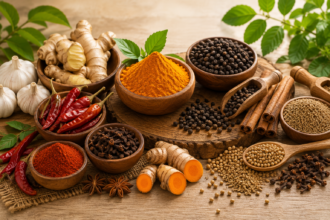

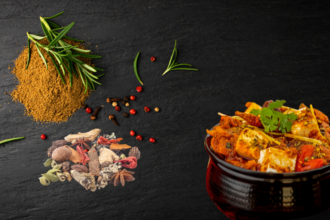
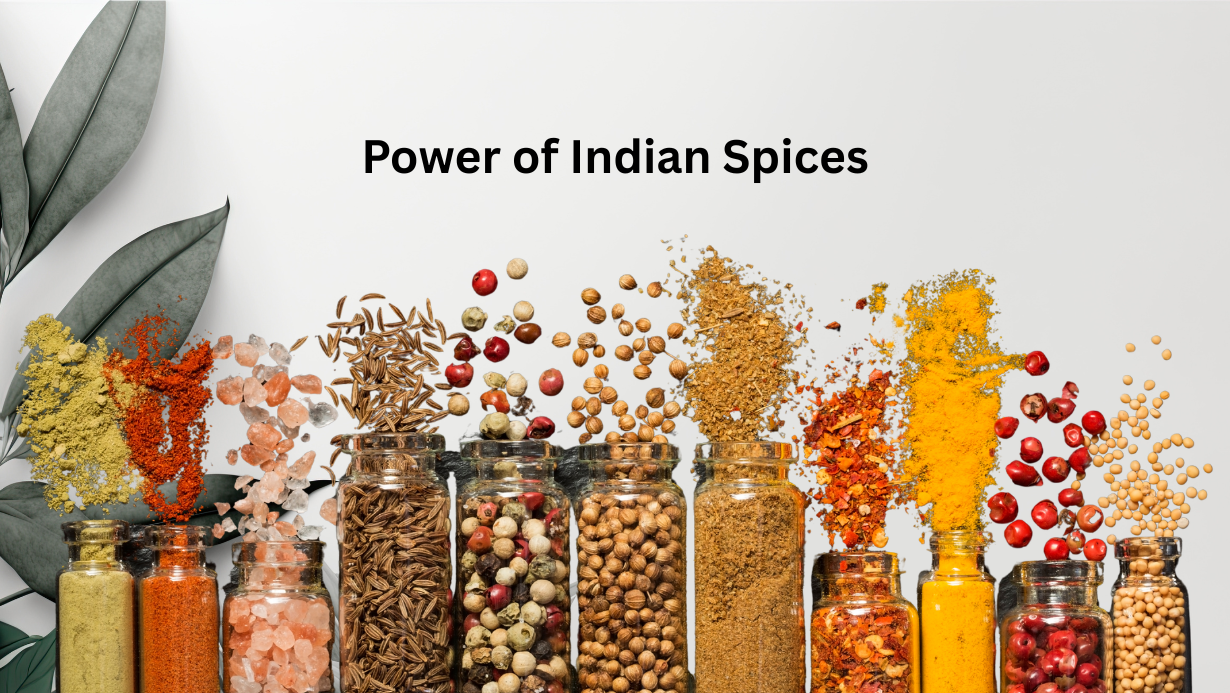
Indian spices do more than make food delicious—they can also support digestion, reduce inflammation, and add natural depth to everyday meals. A well-written blog on this topic can connect the rich flavor of Indian cooking with the wellness benefits of spices like turmeric, cumin, ginger, cinnamon, cardamom, and black pepper.
Indian cuisine is famous for its bold flavors, vibrant colors, and unforgettable aromas. Behind that magic lies a powerful secret: spices. In Indian cooking, spices are not just ingredients for taste—they are part of a long tradition of nourishment, balance, and healing.
From a spoonful of turmeric in curry to a pinch of cumin in lentils, each spice brings something special to the table. Some enhance flavor, some help the body digest food better, and others offer antioxidant or anti-inflammatory support. Together, they turn everyday meals into something both satisfying and meaningful.
Why Indian Spices Taste So Good
Indian spices create layers of flavor that are warm, earthy, sweet, pungent, and aromatic all at once. Instead of relying on one dominant seasoning, Indian cooking often combines multiple spices to build complexity and balance. This is why a simple dish like dal or sabzi can taste rich and full-bodied without being heavy.
Common spices such as cumin, coriander, cardamom, cloves, black pepper, and turmeric each play a distinct role. Some add warmth, some add freshness, and some bring a mild heat that wakes up the palate. When used together thoughtfully, they transform basic ingredients into memorable food.
Health Benefits In Every Pinch
Many Indian spices have been valued in traditional wellness systems for centuries, and modern research has confirmed several of their benefits. Turmeric is widely known for its curcumin content and its anti-inflammatory and antioxidant properties. Ginger is often used to ease nausea and support digestion, while cumin and coriander are commonly associated with digestive comfort.
Cinnamon and fenugreek are often linked with blood sugar support, while black pepper may improve nutrient absorption. Cardamom, cloves, and chili peppers also bring their own wellness benefits, from antioxidant support to helping metabolism. These effects do not make spices medicine on their own, but they do make them a smart and flavorful part of a balanced diet.
Everyday Spices To Use
Here are a few staples worth using more often in home cooking:
- Turmeric for color, warmth, and anti-inflammatory support.
- Cumin for earthy flavor and digestion-friendly meals.
- Ginger for freshness and digestive comfort.
- Coriander for a mild, citrusy note and balance.
- Cinnamon for sweetness and blood sugar support.
- Black pepper for sharper flavor and better absorption of nutrients.
A good example is a simple lentil soup: cumin, turmeric, ginger, and black pepper can turn it into a dish that tastes layered and feels comforting. That is the beauty of Indian spice use—it is practical, flavorful, and deeply rooted in tradition.
Cooking With Balance
The secret is not to use more spices, but to use them well. Toasting whole spices, adding ground spices at the right time, and pairing them with onions, garlic, or ghee can unlock a deeper flavor. Even a small amount can make a big difference when the spices are fresh and balanced.
It is also worth remembering that spices work best as part of an overall healthy diet. They can support better eating habits by making vegetables, legumes, grains, and lean proteins more appealing. In that way, Indian spices help food taste better and encourage more nourishing meals.
Closing Note
Indian spices are powerful because they connect taste, tradition, and health in one simple idea. They bring fragrance to the kitchen, character to the plate, and valuable plant compounds to the diet. That is why they remain one of the most important treasures of Indian cooking.