

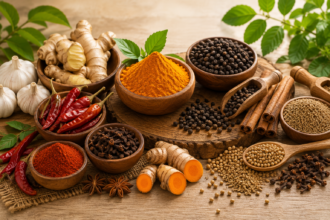

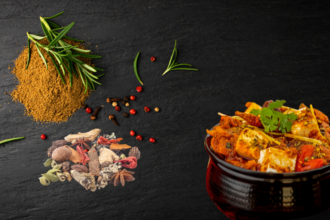
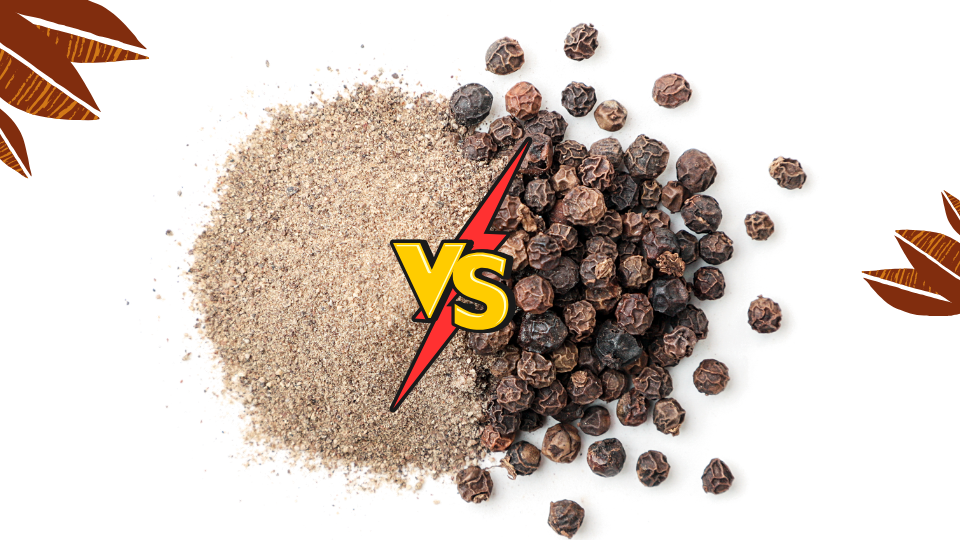
Indian cooking is famous for its rich flavors, vibrant aromas, and unique use of spices. One important aspect that many beginners often overlook is the difference between whole spices and ground spices. Both play a major role in Indian cuisine, but they are used differently depending on the recipe, cooking method, and desired flavor.
Understanding how and when to use each type of spice can greatly improve your cooking and help you create more authentic Indian dishes at home.
What Are Whole Spices?
Whole spices are spices used in their natural, unground form. These spices are usually added directly to hot oil or ghee during the beginning stages of cooking to release their essential oils and aroma.
Common whole spices used in Indian cooking include:
- Cumin seeds
- Mustard seeds
- Cinnamon sticks
- Cloves
- Green cardamom
- Bay leaves
- Black peppercorns
Whole spices provide deep flavor and fragrance while slowly infusing the dish during cooking.
Best Uses of Whole Spices:
- Biryani and pulao
- Curries and gravies
- Tempering (tadka)
- Soups and stews
What Are Ground Spices?
Ground spices are powdered forms of spices made by grinding whole spices into fine powder. These spices blend easily into dishes and provide consistent flavor throughout the recipe.
Popular ground spices include:
- Turmeric powder
- Red chili powder
- Coriander powder
- Cumin powder
- Garam masala
Ground spices are usually added during the cooking process after onions, tomatoes, or vegetables are cooked.
Best Uses of Ground Spices:
- Curry gravies
- Dry vegetable dishes
- Marinades
- Spice blends and masalas
Key Differences Between Whole and Ground Spices
1. Flavor Intensity
Whole spices release flavor slowly and provide a richer aroma over time. Ground spices deliver immediate and stronger flavor because they are already broken down into powder form.
2. Shelf Life
Whole spices stay fresh for much longer because their natural oils remain protected. Ground spices lose aroma and flavor faster when exposed to air and moisture.
Always store both types in airtight containers away from sunlight.
3. Cooking Method
Whole spices are usually added early in cooking, especially during tempering in hot oil. Ground spices are added later to avoid burning and bitterness.
4. Texture
Whole spices are sometimes removed before serving, while ground spices fully blend into the dish and create smoother gravies and sauces.
Why Indian Cooking Uses Both
Indian cuisine balances both whole and ground spices to create layers of flavor. Whole spices build the base aroma, while ground spices add color, richness, and overall taste.
For example, in a curry:
- Whole cumin and bay leaves may be added first in oil.
- Ground turmeric, coriander, and chili powder are added later for body and flavor.
- Garam masala is often added at the end for aroma.
This layered spice technique is what makes Indian food so flavorful and unique.
Tips for Better Flavor
- Buy fresh whole spices whenever possible.
- Grind small batches at home for stronger aroma.
- Roast whole spices lightly before grinding.
- Avoid overcooking powdered spices.
- Use balanced quantities to prevent overpowering flavors.
Final Thoughts
Both whole spices and ground spices are essential in Indian cooking. Whole spices provide deep aroma and richness, while ground spices bring bold flavor and color to dishes. Learning how to use them correctly can completely transform your cooking and help you prepare authentic Indian meals with confidence.
Whether you are making simple dal or rich biryani, understanding the role of spices is the key to delicious Indian cuisine.